Simulation studies and modelling
Key benefits
of CETIAT
What this service includes
Decision support through simulation
- Understanding how an HVAC process or system works
- Anticipate the impacts associated with its design or modification
- Validate or compare several technical scenarios before implementation
- Ensuring sound technical decisions whilst keeping costs and deadlines under control
Areas of application
- HVAC
- Airflow
- Dust removal
- Thermal
- Thermodynamics
- Combustion
- Energy and decarbonisation
The simulations apply equally to HVAC equipment and systems and to complex industrial processes.
The benefits of numerical simulation
- Virtual validation of various technical assumptions
- Reducing and targeting physical testing campaigns
- Optimising solutions for greater efficiency and performance
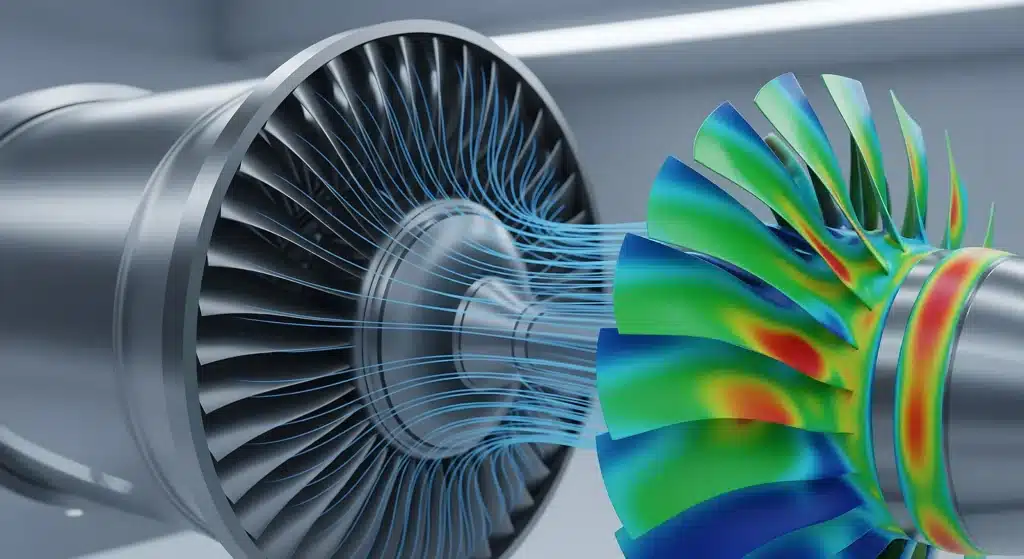
- Visualising and understanding how complex systems work
- Predicting the behaviour of a process or system under different operating conditions
- Competitive advantage over tests that require prior fabrication.
The benefits for you
Objective technical decisions
Simulation enables you to validate and compare several technical scenarios before any actual implementation takes place, and to base your design or modification decisions on well-founded, qualified and quantified evidence.
Performance optimisation
Digital models make it easier to optimise thermal, air flow and energy performance, enabling the design of more energy-efficient and effective solutions.
Reducing risks and costs
By focusing on only the physical tests that are strictly necessary, simulation reduces development costs, minimises the number of iterations and ensures the reliability of the validation phases.
An independent and actionable perspective
The results provided by CETIAT are verified, independent of any commercial solutions, and can be used directly to inform your technical decisions and discussions with partners and funders.
Methodology and resources deployed
Simulation studies are based on proven numerical tools, validated and confirmed by over 60 years of experience in thermal and aerodynamic engineering.
They can be combined with experimental tests to ensure consistency between simulation and measurements.
To find out more about our test benches, measuring equipment and simulation tools, please visit our “Technical Resources” page.