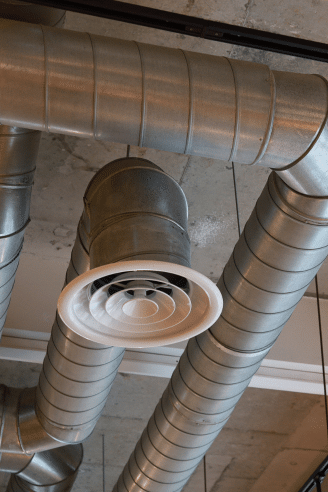
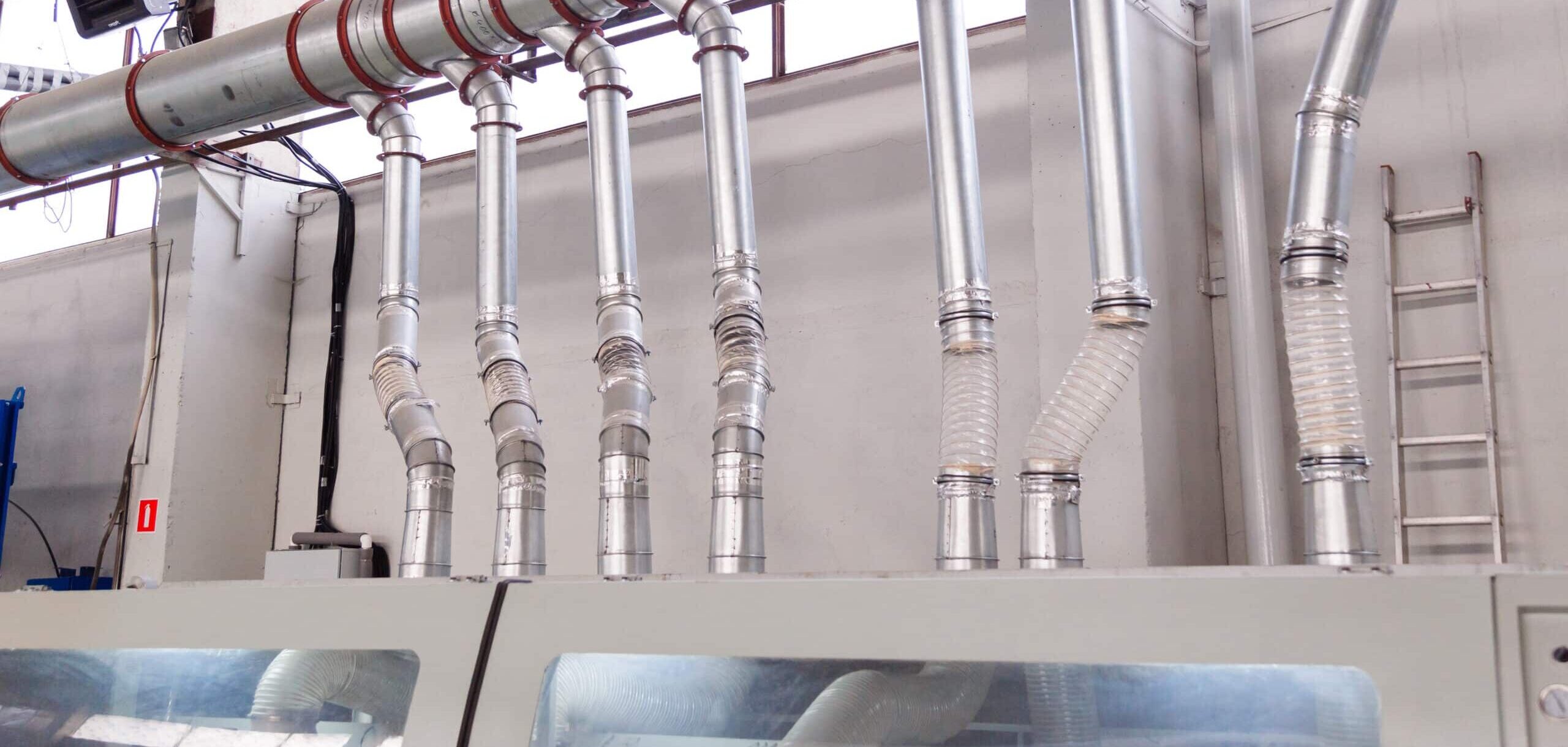
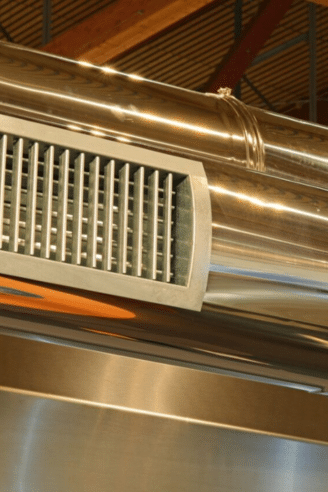
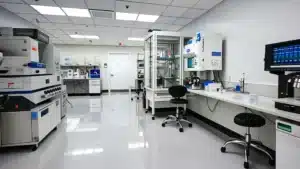
Optimise the ventilation in your processes to ensure safety, comfort and air quality, and reduce your energy consumption
Improve ventilation to ensure a safe, healthy and energy-efficient working environment
Ensuring good air quality and a comfortable working environment for staff in your workshops, meeting regulatory requirements, maintaining production quality and controlling energy consumption: these are the key challenges of industrial ventilation.
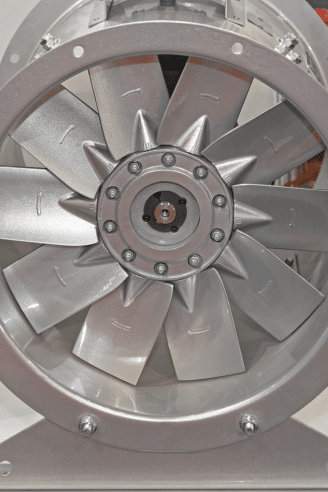
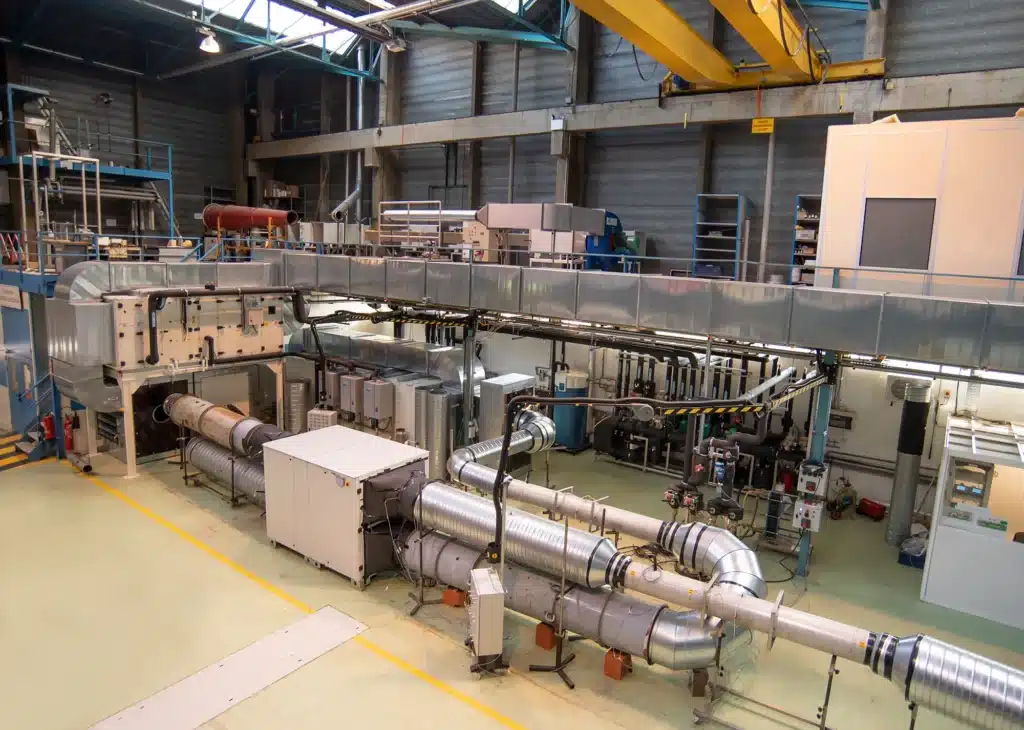
With expertise in aerodynamics and thermal engineering dating back to 1960, and as a national leader in airflow measurement, CETIAT can help you design, size, evaluate and improve all or part of your industrial ventilation systems. With a pragmatic and flexible approach, our ventilation experts combine our measurement, testing and simulation resources with our specialist knowledge to provide you with solutions tailored to your entire installation, as well as to individual ventilation components: ventilation networks, air intake systems, heat recovery and recirculation systems, fans, filters, air purifiers, etc.
Your challenges, our expertise
Air renewal, make-up air – Regulatory compliance
Controlling air flow rates, velocities and air changes to ensure safety, compliance and energy efficiency.
Capture of pollutants at source, filtration, dust removal and air purification
Maintain indoor air quality, protect the health of your staff and minimise your environmental impact: reduce and control pollution at source and limit your emissions to the outside environment.
Ambient climate control and employee comfort
Control environmental conditions such as temperature, humidity and air velocity to improve comfort levels, ensure staff well-being and maintain the stability of your processes.
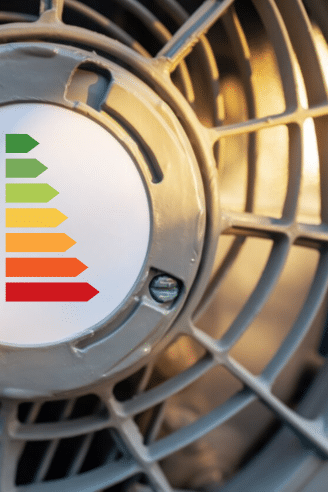
Energy efficiency and cost reduction
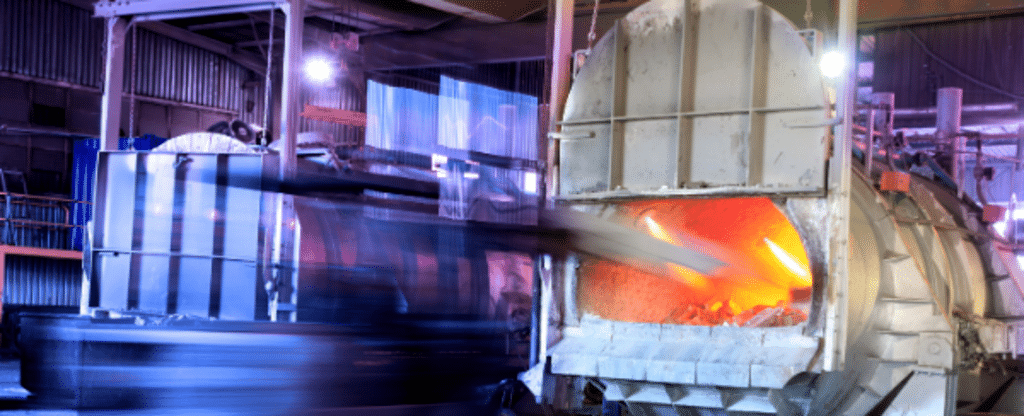
Identify opportunities for savings in your processes and heating and ventilation systems in order to achieve long-term reductions in operating and maintenance costs.
Design and optimisation of air handling components and systems
Design and optimise your air handling components and systems to improve their airflow and energy efficiency, using an approach that combines testing, measurement, calculation and simulation.
On-site measurement campaign and airflow analysis
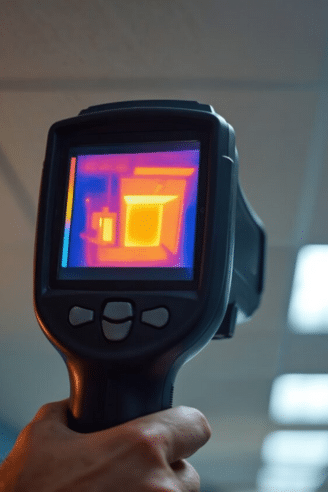
Measure, understand, optimise: our on-site airflow measurement and diagnostic campaigns, combined with numerical simulations, reveal how your ventilation systems operate. Rely on reliable data to identify the most effective operational measures.
Ventilation in confined spaces, the nuclear sector and the pharmaceutical industry
Gain a thorough understanding of indoor air flow and the operation of HVAC systems in demanding environments such as nuclear power stations and pharmaceutical production facilities.
Our support solutions
Calibrations
Aim for excellence with a single, trusted partner for your calibrations
Do you develop or market heating, air conditioning, cooling, ventilation or filtration solutions for the building, industrial or transport sectors? We design bespoke testing programmes to provide you with reliable and objective test results. We also carry out regulatory and certification testing in accordance with numerous standards, under COFRAC accreditation (HP Keymark, AHRI, AMCA, Marquage […]
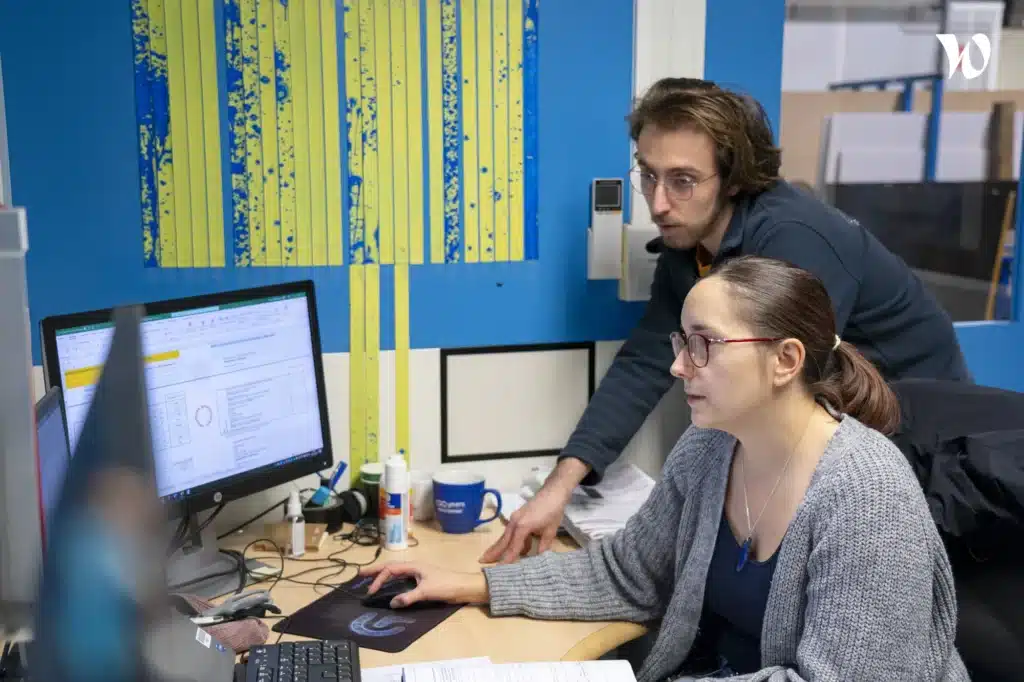
Personalised, multidisciplinary support tailored to your specific needs Capture, IAQ, safety, overall performance.
An all-in-one solution: studies, audits, testing, on-site measurements, training To develop the best technical solution.
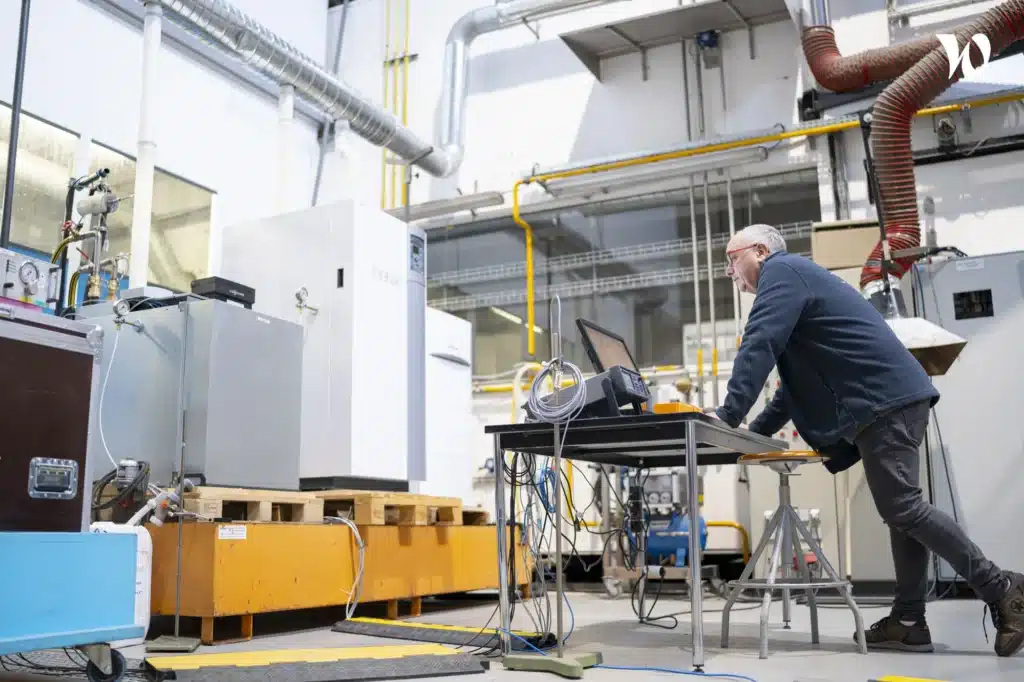
State-of-the-art technical resources, in the laboratory or on site On-site measurements, ventilation test benches, airflow simulations.
Neutral and impartial recommendations A leading independent specialist in thermal and ventilation engineering since 1960.
Guaranteed confidentiality Your systems and data are secure.
A direct link to the national standard for anemometry Calibration of your flow meters, bolometers and temperature sensors in our COFRAC-accredited laboratories, offering the lowest measurement uncertainties in France
They trust us
Energy & Nuclear
EDF
Framatome
GRDF
Hevatech
IFP Energies nouvelles
Total
Food and drink
Barilla
Clextral
Danone
Ebly
Yoplait
HVAC engineering
Atlantic
Bosch Thermotechnique
Carrier
CIAT
Vaillant
Viessmann
Instrumentation
Bronkhost
Endress+Hauser
Fresenius
Rotronic
Testo
Vaisala
Materials
Gerflor
Saint Gobain
Terreal
Vicat
Mechanical Engineering & Metallurgy
ArcelorMittal
Caterpillar
DANFOSS
Facom
Opinel
Trimet
Pharmaceuticals & Chemicals
Arkema
BioMérieux
EFS
GSKK
Merck
Pfizer
Plastics, Textiles & Composites
Hermès
Hexel
Plastic Omnium
Security & Defence
NBC-Sys
Nexter
Transport & Aviation
Airbus
Michelin
Renault
SNCF
Valeo
Let’s discuss your project
Improve the performance of your industrial ventilation systems to meet all your objectives: performance, energy efficiency, employee comfort and compliance with regulations.
LEFEBVRE
Hervé MILER
Research Officer
Find out more: explore our content to learn and develop your skills